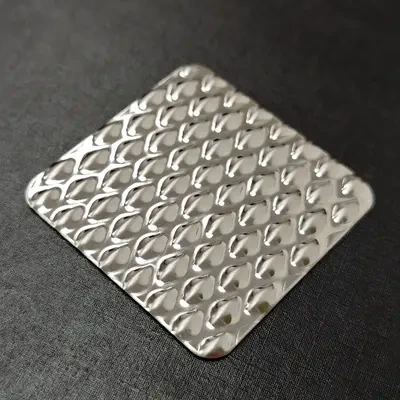
The design industry is not only flat and simple anymore. Surfaces that can be felt, that engage the senses and thus add a different dimension to a space have become an overwhelming prerequisite.
This is the materiality shift that highlights surfaces with both visual interest and uniquely touchable textures. Thus, it is possible to imagine a future in which embossed stainless steel is the main material, perfectly responding to the requests for more entertaining and more interactive interiors.
Aesthetics and Strength
Embossed stainless steel is indeed a stunning combination of good looks and high performance. It is the solution to both issues in design: a striking visual statement and the requirement of long-lasting materials.
High Visual Impact
The raised patterns of embossed steel produce light in unique and wonderful ways. As the day progresses and light changes, the surfaces perform a theater of light and shadow, giving walls and ceilings a continuous movement and glowing effect.
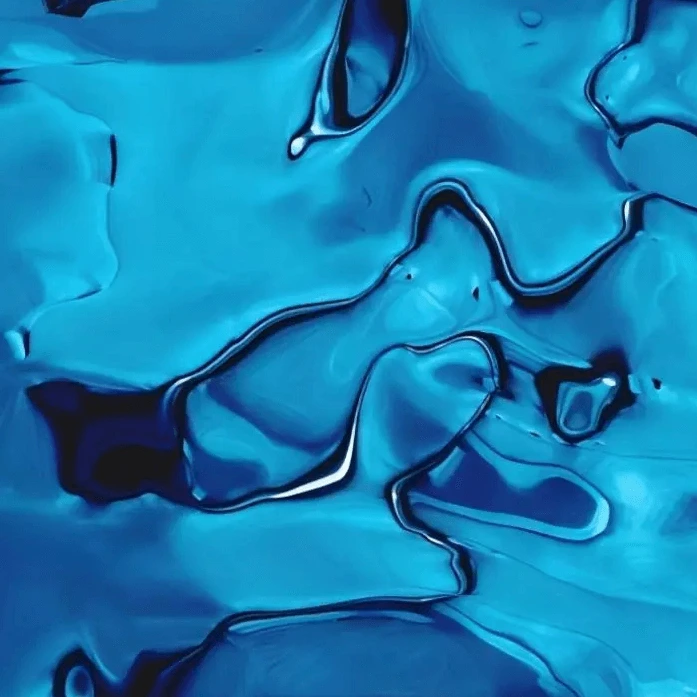
A great example is water ripple stainless steel, which resembles the natural movement of water. This introduces the motion of a watery element into spaces that would typically be still. It is, therefore, a must-have for visual influence.
Perfect Scratch Resistance
The textured surface is not merely decorative; it is a key practical benefit. The embossed patterns physically camouflage fingerprints, stains, and small scratches accrued during daily use.
We have noticed this throughout our experience in busy commercial areas like hotel lobbies and elevator cabins, where flat polished surfaces can fail in weeks. The built-in resilience is what makes it the go-to choice for any project that wants to combine both aesthetics and low maintenance.
Inspiring Applications
Embossed stainless steel is versatile. The following are some of the most influential ways we observe it being used today:
Statement Ceilings: Especially using water ripple stainless steel to create an amazing, reflective cover that makes spaces feel larger and more fancy.
Durable Feature Walls: In reception areas or restaurants, using patterns like linen or geometric shapes to add texture without taking over the space.
Elevator Interiors & Door Cladding: Using its scratch resistance and classy look for areas that are frequently touched and highly visible.
Cabinetry and Furniture Accents: Putting it on kitchen islands, bar fronts, or custom furniture for a unique, personalized finish.
Retail & Hospitality Backsplashes: Giving a cleanable, yet visually interesting, background in commercial kitchens or bar areas.
Popular Patterns and Effects
Choosing the appropriate pattern will help you achieve the look you desire. Different textures have their own unique way of inducing moods and manipulating light.
Fluid Elegance of Water Ripple
The water ripple stainless steel pattern represents the movement of water with softness and fluidity. The way light is reflected and bent creates a peaceful yet energetic environment that is perfect for statement ceilings and feature walls.
In the past year, the design industry has seen a dramatic rise in interest for ‘fluid’ and ‘natural’ metal finishes, with the water ripple pattern holding a strong position in the luxury hotel sector.
Understated Linen and Geometrics
For a quieter approach, patterns like linen and other geometric textures offer a structured style. They offer a delicate depth and a more orderly, refined feel compared to the natural flow of water ripple.
These patterns work well for uses where texture is wanted but should not be the main visual element, adding a quiet layer of interest to cabinets, backsplashes, and wall panels.
A Smart, Enduring Choice
Embossed stainless steel perfectly combines high visual impact with excellent scratch resistance. It is a material choice that works well for both aesthetics and function.
Much more than a passing trend, its durability and timeless appeal ensure it provides lasting style and value. It’s a material that doesn’t just follow the trend of touchable design; it defines it.
Mengajukan dana melalui sebuah apk pinjam uang online adalah sebuah keputusan finansial yang memerlukan pertimbangan matang. Selain memahami syarat dan
Warehouses and logistics centers operate in demanding environments where lighting directly affects safety, productivity, and operational efficiency. Large storage areas,