

The performance of digital video colposcopes is often assessed through various technical specifications, with Signal-to-Noise Ratio (SNR) being a critical factor. The SNR impacts image clarity and detail, directly influencing diagnostic accuracy in gynecological examinations.
Understanding Signal-to-Noise Ratio
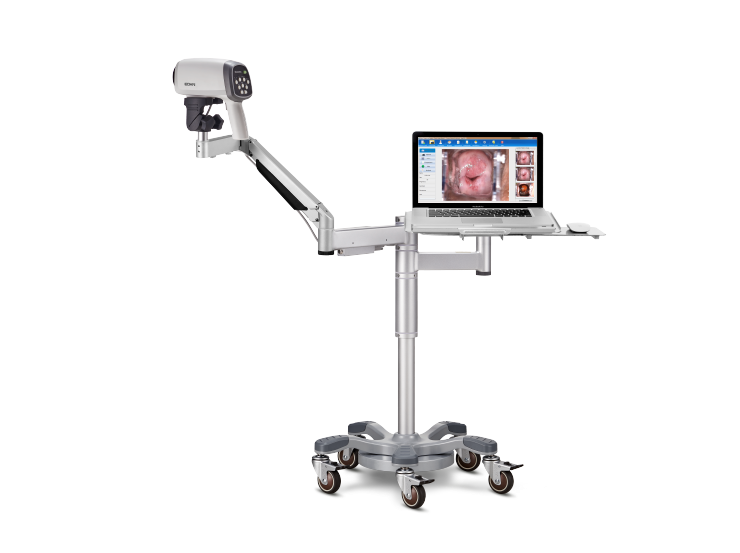
SNR is a measure that compares the level of desired signal to the level of background noise in an image. In the context of digital video colposcopes, a higher SNR indicates clearer images with less interference from noise. This is particularly important during colposcopic examinations, where fine details can be crucial for identifying abnormalities. Models such as the C6 HD and C6A HD from EDAN are designed to provide excellent SNR, ensuring that healthcare professionals have access to high-quality imaging results.
The Role of Quality Components
Digital video colposcopes equipped with superior optics and advanced imaging sensors typically exhibit higher SNR levels. The C6 series, featuring outstanding HD cameras and unique LED lighting, ensures exceptional delineation between tissue types, enhancing visualization for gynecologists. By reducing noise, these colposcopes enhance the ability to capture subtle changes during examinations, leading to more accurate diagnoses and treatment plans.
Enhancing Clinical Outcomes Through Better Imaging
Investing in digital video colposcopes with a focus on SNR can significantly impact patient care and outcomes. High-quality imaging not only aids in diagnosis but also helps build trust with patients, as they can see the clarity of their examination results.
EDAN: Innovating Women’s Health Technology
EDAN stands at the forefront of medical technology, providing flexible and effective solutions like the C6 HD and C6A HD digital video colposcopes. By prioritizing SNR in their design, EDAN underscores its commitment to enhancing diagnostic capabilities in gynecology. Healthcare providers seeking to improve their practice will find that investing in quality colposcopy equipment pays dividends in clinical excellence and patient satisfaction.